
What if the $50 bottle of probiotics sitting in your fridge isn’t healing your gut but quietly sabotaging it?
I get it. You have done the research. You swapped processed foods for fermented kimchi and kombucha. You invested in the high-CFU, multi-strain, shelf-stable formula that the wellness influencer swore by. And still the bloating persists. The brain fog lingers. Your energy crashes hard by three in the afternoon.
Here is the uncomfortable truth most supplement companies will not tell you. Throwing more bacteria at a broken ecosystem rarely fixes the root cause. In fact, it can make dysbiosis worse. This is not anti-probiotic dogma. This is science. And if you are ready to move beyond band-aid solutions into actual microbiome restoration, keep reading.
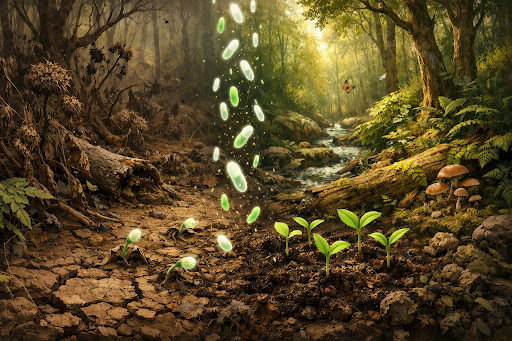
Your gut is not a vacant lot waiting for seeds. It is a complex, territorial ecosystem with its own rules and relationships. Think of it like a dense forest. You cannot just drop in a handful of foreign saplings and expect them to thrive while the soil is depleted. You cannot expect them to grow while the canopy is choked and invasive weeds are running rampant.
That is essentially what happens when we flood a compromised gut with probiotic strains without first addressing the internal landscape.. Emerging science shows that probiotics can actually delay the natural recovery of your microbiome after antibiotics. A pivotal study published in Cell highlighted this exact phenomenon. The introduced strains compete with your native bacteria for resources and space. Sometimes they prevent the resilient, diverse community your body is trying to rebuild on its own. (1)
And that is before we even talk about strain specificity. Not all Lactobacillus or Bifidobacterium are created equal. The strain that helps with antibiotic-associated diarrhea may do absolutely nothing for your bloating or brain fog. Many over-the-counter products contain strains with zero clinical evidence for the specific concern you are trying to address. You are not just adding good bacteria. You are introducing strangers into a delicate, highly specialized neighborhood.
If your gut lining is compromised, adding bacteria is like sending firefighters into a building with no doors. They cannot reach the fire. So if probiotics are not the universal fix, and the terrain matters more than the seed, what is actually driving the global gut health crisis? The answer might be hiding in plain sight. It is in the very foods and products you trust.
You Cannot Out-Supplement a Toxic Food Environment
The answer is hiding in the ingredient labels of the very products you trust. You can take all the probiotics in the world. You can drink all the kombucha. But if you are simultaneously consuming chemicals that strip your gut lining and starve your beneficial bacteria, you are fighting a losing battle. Wellness culture sold you on clean eating while the food industry engineered clean labels that still wreck your gut. Do not be fooled by the marketing.
Here are the four biggest offenders you need to audit in your pantry today.
- Emulsifiers: Compounds like polysorbate-80 and carboxymethylcellulose keep textures smooth and shelf lives long. You find them in protein bars, commercial nut milks, and plant-based frozen desserts. Clinical evidence shows they strip away the protective mucus layer of your intestine. This allows bacteria to encroach on the gut lining and trigger inflammation. You might think you are drinking a clean almond milk. But if it has gums and emulsifiers, you are slowly eroding your barrier. (2)
- Artificial Sweeteners: Sucralose and aspartame hide in sugar-free plant-based yogurts and diet drinks. They are marketed as the healthy alternative to sugar. Yet studies link them to altered microbial composition and glucose intolerance. Your body thinks it is getting energy. Your microbes know the truth. The result is metabolic dysfunction that feels like unexplained weight gain or fatigue.
- Preservatives: Sodium benzoate and BHA show up in packaged health snacks and condiments. They are meant to stop food from rotting. But they also reduce microbial diversity in your gut. They favor pathogenic strains over the beneficial ones you are trying to grow. You are essentially eating chemicals designed to kill life. Do not expect your microbiome to thrive in a sterile environment.
- Industrial Seed Oils: Soybean and canola oil are everywhere. They are in salad dressings and heart-healthy spreads. These oils promote pro-inflammatory bacteria and damage the gut barrier. They are not neutral. They are actively working against your healing. Swap them for olive oil or avocado oil. Cold-pressed matters.
This is not about perfection. It is about awareness. You cannot out-supplement a toxic food environment. If you want real change, you have to audit what is entering your system. Once you remove the interference, you can finally start building the energy you were meant to have.
The Microbiome-Mitochondria Link: Why Gut Health Equals Cellular Energy
Your fatigue is not laziness. It might be a microbial energy crisis. You wake up tired. You push through with caffeine. You crash by mid afternoon. You think you need more sleep or more motivation. But what if the root cause is not your mindset or your schedule? What if it is your cells inability to produce energy because your gut is not sending the right signals?
Here is the science bridge most people miss. Your gut bacteria produce compounds called short-chain fatty acids. Butyrate is one of the most critical. It is not found in butter. It is produced when your beneficial bacteria ferment fiber from plants. This butyrate travels through your bloodstream and fuels mitochondrial biogenesis. That is the process where your cells create new energy powerhouses. Without a diverse microbiome producing these metabolites, your mitochondria starve.
This creates a brain-gut-energy triangle that dictates how you feel every single day. Dysbiosis leads to systemic inflammation. Inflammation leads to mitochondrial dysfunction. The result is brain fog, mood swings, and that heavy feeling in your limbs. Research now links low microbial diversity to chronic fatigue syndrome and fibromyalgia. These are not mysterious conditions. They are often signals of a broken energy production line starting in the gut. (3)
If your mitochondria are the batteries of your cells, your microbiome is the power plant. And right now, most people’s power plants are running on dirty fuel.
You do not need more caffeine. You do not need another stimulant. You need a gut environment that produces sustained cellular energy. When your microbiome is balanced, it communicates with your vagus nerve. It tells your brain you are safe. It tells your cells to burn fuel efficiently. This is why fixing your gut often fixes your fatigue before anything else changes.
Stop treating the symptom of low energy. Start treating the source of energy production. When you heal the gut lining and feed the right bacteria, you restore the flow of nutrients and signals your body needs to thrive. This is how you get your life back. This is how you wake up ready instead of resigned.
So how do you actually rebuild that power plant? It does not happen with another pill. It happens with protocol.
The 3 Step Protocol to Actually Restore Microbial Balance
No pills required. Just precision, patience, and plant power. You do not need another expensive supplement stack to fix this. You need a systematic approach that respects the intelligence of your body. Healing is not about forcing change. It is about removing the obstacles so your biology can do what it was designed to do. Here is the exact framework to rebuild your gut ecosystem from the ground up.
Step 1: Remove the Interference
You cannot build a house on a foundation of rubble. Before you add anything new, you have to clear the debris. This is not about restriction or deprivation. It is about creating space for healing.
- The 72 Hour Additive Audit: For three days, track every label you read. Look for emulsifiers, artificial sweeteners, and preservatives. Most people are shocked by how many hidden chemicals enter their system without them noticing.
- Strategic Reduction of Irritants: This includes alcohol, non steroidal anti inflammatory drugs, and chronic stress. You do not have to be perfect. But reducing the frequency gives your gut lining a chance to repair.
- Create Space: This isn’t about restriction. It is about making room for vitality. Every chemical you remove is a signal to your body that it is safe to heal.
Step 2: Replant with Prebiotic Diversity
Once you remove the interference, you need to feed the good bacteria that are already there. They are waiting for fuel. Most people focus on probiotics. The real magic happens with prebiotics.
- The 30 Plant Challenge: Research shows that eating 30 different plant foods per week correlates with higher microbial diversity. This does not mean 30 servings. It means 30 types. Think herbs, spices, nuts, seeds, grains, fruits, and vegetables. (4)
- Targeted Prebiotics: Garlic, onions, leeks, asparagus, and green bananas are powerful. Cooked and cooled potatoes provide resistant starch that feeds beneficial strains. These are not just foods. They are medicine.
- Polyphenol Power: Berries, dark cocoa, green tea, and olive oil act as fertilizer for your microbiome. They reduce inflammation and encourage the growth of resilient bacteria.
- The Currency of Health: Fiber isn’t just good for digestion. It is the currency your microbiome uses to pay you back in health. When you feed them, they produce the compounds that heal your brain and energy levels.
Step 3: Reinforce the Foundation
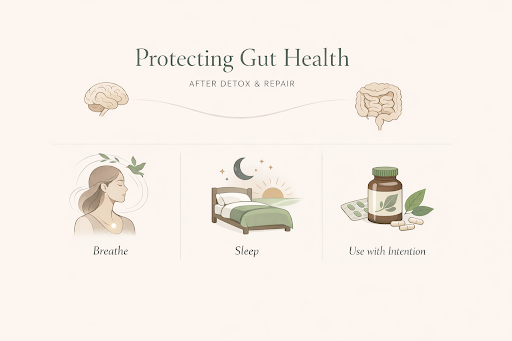
You have removed the toxins. You have planted the seeds. Now you must protect the garden. Your gut does not exist in a vacuum. It is connected to your nervous system and your sleep cycles.
- Vagus Nerve Support: Your gut and brain talk constantly. Deep breathing, humming, and cold exposure stimulate the vagus nerve. This improves gut brain signaling and reduces inflammation.
- Sleep as Medicine: Your microbiome follows a circadian rhythm. Poor sleep creates a dysbiosis feedback loop. Prioritize rest just as much as diet.
- Strategic Probiotic Use: There are times when supplements help. Post antibiotic recovery or specific conditions may require them. Choose clinically studied strains and use them with intention rather than as a daily crutch.
This protocol addresses the root cause. It restores function. You are rebuilding your energy infrastructure and reclaiming your biological sovereignty. Yet implementation requires more than knowledge. Sometimes you need personalized guidance to break through plateaus. That is where deep expertise becomes essential.
Quick Answers to Your Burning Questions
You likely have a few lingering questions. Here is the straight truth on the most common concerns that arise when trying to heal the gut.
- Can probiotics make IBS or bloating worse?
Yes. Especially if SIBO, histamine intolerance, or significant dysbiosis is present. Strain selection and timing matter immensely. Adding bacteria to an overgrown or imbalanced system can fuel the fire instead of putting it out.
- How long does it take to heal the gut microbiome?
Microbial shifts can happen in days. But true ecosystem restoration typically takes three to six months of consistent protocol. Patience is not just a virtue here. It is a biological requirement.
- Are fermented foods enough?
They are powerful allies. But if additives, stress, or sleep disruption persist, fermentation alone will not override the terrain. You need both removal of toxins and addition of nutrients.
- Should I test my microbiome?
Stool tests can offer insights. But focus first on foundational habits. Data without action is just expensive curiosity. Change your environment before you spend hundreds on a map.
- What if I have tried everything and still struggle?
That is exactly why we created this masterclass. Sometimes you need personalized guidance to break through plateaus. Generic advice fails when your biology is unique.
These answers are just the start. If you feel stuck, it is not because you are broken. It is because you need a deeper strategy.
This Is How You Thrive
Healing your gut is not just about better digestion. It is about reclaiming your energy. Your mental clarity. Your resilience. It is about breaking the cycle of band aid solutions and stepping into true biological sovereignty.
You were not designed to feel tired, bloated, or brain fogged. You were designed to thrive.
And sometimes thriving starts with letting go of what is not working. So you can make space for what does.
Here is to your microbiome. Your mitochondria. And your magnificent capacity to heal.
Link
References
- Suez J, et al. Post-Antibiotic Gut Mucosal Microbiome Reconstitution Is Impaired by Probiotics and Improved by Autologous FMT. Cell. 2018;174(6):1406-1423.
- Chassaing B, et al. Dietary emulsifiers impact the mouse gut microbiota promoting colitis and metabolic syndrome. Nature. 2015;519:92-96.
- Giloteaux L, et al. Reduced diversity and altered composition of the gut microbiome in individuals with myalgic encephalomyelitis/chronic fatigue syndrome. Microbiome. 2016;4:30.
- McDonald D, et al. American Gut: an Open Platform for Citizen Science Microbiome Research. mSystems. 2018;3(3):e00031-18.