
Cancer is a major health issue worldwide, causing nearly 1,680 deaths per day in the United States alone [1].
While genetics play a very tiny role in cancer, environmental factors and lifestyle choices—especially what we eat—have a significant impact on its development.
By understanding how specific nutrients and dietary habits influence cancer, we can make informed decisions to reduce our risk and improve our overall health.
How Diet and Cancer Are Connected
It’s now becoming more recognized that diet and lifestyle changes can potentially prevent up to 90%+ of all cancer cases, with diet being a key factor [2].
Unhealthy eating habits, such as consuming high amounts of processed meats, sugary foods, and unhealthy fats, have been linked to an increased risk of various cancers.
These foods can lead to chronic inflammation, oxidative stress, and hormonal imbalances, creating an environment where cancer cells can thrive.
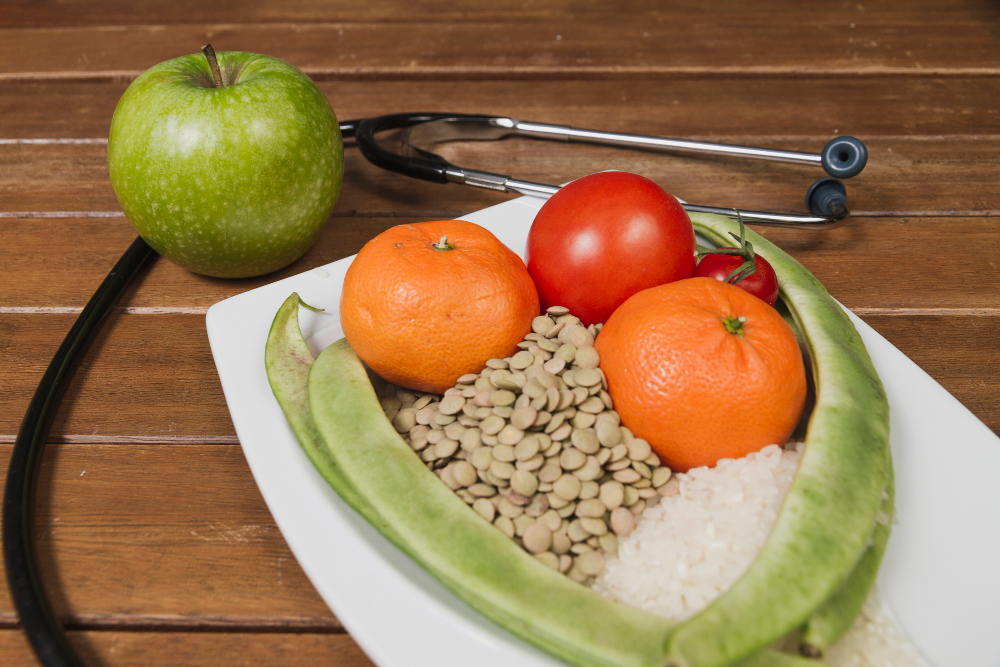
On the other hand, diets rich in whole foods—like fruits, vegetables, whole grains, and legumes—provide essential nutrients and bioactive compounds that help protect against cancer.
These foods are packed with fiber, vitamins, minerals, and phytochemicals that work together to keep our cells healthy and prevent cancer from developing [4].
Natural Compounds That Fight Cancer
One of the ways whole foods protect against cancer is through natural compounds known as phytochemicals.
These substances have been shown to possess anti-cancer properties by acting as antioxidants, which neutralize harmful free radicals that can damage DNA and initiate cancerous changes in cells.
Let’s explore some powerful phytochemicals and where to find them.
Sulforaphane in Broccoli Sprouts
Sulforaphane is a potent compound found in cruciferous vegetables, particularly in broccoli sprouts. It helps activate detoxifying enzymes in the body, making it easier to eliminate potential carcinogens [5].
Additionally, sulforaphane inhibits certain enzymes that promote tumor growth and spread, offering a protective effect against cancer development.
EGCG in Green Tea
Epigallocatechin-3-gallate (EGCG) is the most abundant catechin in green tea and exhibits strong antioxidant activity. EGCG has been found to slow down tumor cell growth, trigger apoptosis (programmed cell death) in cancer cells, and prevent angiogenesis—the formation of new blood vessels that tumors need to grow [7].
Regular consumption of green tea has been associated with a lower risk of breast, prostate, and colorectal cancers.
Curcumin in Turmeric
Curcumin is the main active ingredient in turmeric, a spice commonly used in Asian cuisine. It has anti-inflammatory, antioxidant, and anti-cancer effects. Curcumin interferes with various cell signaling pathways involved in cancer development, including those that regulate cell growth, death, and metastasis [9].
Some clinical trials have shown that taking curcumin supplements can reduce precancerous lesions and enhance the effectiveness of chemotherapy.
The Importance of Gut Health in Cancer Prevention
Our gut microbiome—comprising trillions of microorganisms residing in our digestive tract—plays a crucial role in digestion, immunity, and overall health.
A healthy gut microbiome supports the immune system and may reduce cancer risk by enhancing immune surveillance and modulating inflammation [11].
Understanding how to nurture our gut health is essential in the fight against cancer.
Prebiotics and Gut Microbiota
Prebiotics are nondigestible fibers that promote the growth of beneficial gut bacteria. Foods rich in prebiotics include garlic, onions, leeks, asparagus, bananas, and whole grains.
When these fibers are fermented by gut bacteria, they produce short-chain fatty acids like butyrate, which have anti-inflammatory and anti-cancer effects on colon cells [12].
Impact on Immune Function
A balanced gut microbiome contributes to the development and function of the immune system. Dysbiosis—an imbalance in gut bacteria—has been linked to chronic inflammation and a higher risk of colorectal cancer [13].
By supporting a healthy gut through a whole foods plant-based diet, we can enhance our immune response against cancer cells and reduce our cancer risk.
Green Tea and Turmeric: Natural Allies Against Cancer
Green tea and turmeric are not only delicious additions to our diet but also potent allies in cancer prevention. Both are rich in bioactive compounds that offer protective effects beyond their antioxidant properties.
Green Tea’s Multi-Targeted Approach
Besides EGCG, green tea contains other catechins that contribute to its anti-cancer effects. These compounds can influence gene expression, inhibit enzymes involved in cell growth, and make cancer cells more sensitive to chemotherapy [17].
Studies have found that people who drink a lot of green tea have a lower risk of developing certain cancers [18].
Turmeric’s Anti-Inflammatory Power
Chronic inflammation is a known risk factor for cancer. Curcumin’s ability to block inflammatory pathways—like the nuclear factor-kappa B (NF-κB) pathway—reduces the production of substances that promote tumor growth [19].
Combining curcumin with piperine (found in black pepper) significantly increases its absorption, maximizing its benefits.
Filling Nutrient Gaps for Better Health
Even with a balanced diet, it can be challenging to get enough of certain nutrients essential for cancer prevention and overall health. Recognizing and addressing these nutrient gaps is vital.
Vitamin B12
Vitamin B12 is crucial for DNA synthesis, red blood cell formation, and nerve function. It’s mainly found in animal products, so people following plant-based diets might need supplements [21]. A lack of B12 can lead to anemia and may affect the body’s ability to repair DNA, potentially increasing cancer risk.
Vitamin D3
Vitamin D3 helps regulate cell growth, supports the immune system, and reduces inflammation. Low levels of vitamin D have been linked to a higher risk of colorectal, breast, and prostate cancers [22]. Since we might not get enough vitamin D from sun exposure and food alone, taking supplements can help maintain healthy levels.
Omega-3 Fatty Acids
Omega-3 fatty acids, like EPA and DHA, have anti-inflammatory properties and may slow down cancer cell growth. They’re found in fatty fish and some plant sources like flaxseeds and walnuts (which provide ALA, a type that the body can convert to EPA and DHA) [23]. Getting enough omega-3s supports the immune system and may reduce the risk of certain cancers, including breast and colorectal cancer.
Dr. Fuhrman’s Complete Greens
Maintaining a diet rich in cancer-fighting foods can be challenging due to busy schedules, limited access, or dietary preferences.
Dr. Fuhrman’s Complete Greens offers a practical solution by providing a blend of essential nutrients, organic superfoods, and prebiotics in one easy supplement.

All-in-One Nutritional Support
Complete Greens combines vitamins and minerals that are often lacking in modern diets, such as B12, D3, K2, zinc, and iodine. These nutrients are crucial for immune function, DNA repair, and overall health.
The supplement includes green tea extract, turmeric, and nine types of organic mushrooms, delivering potent antioxidants and immune-supporting compounds.
By featuring these ingredients, Complete Greens helps bolster the body’s natural defenses against cancer.
Join countless others who have made the smart choice for their health. Order Dr. Fuhrman’s Complete Greens today and take the proactive step toward a healthier, happier you!
>>> Discover the Power of Complete Greens <<<
Enhanced Gut Health
With added prebiotics and an organic plant protein blend, Complete Greens supports a healthy gut microbiome and aids digestion. A well-functioning gut is essential for nutrient absorption and a strong immune system.
Quality and Bioavailability
Dr. Fuhrman’s Complete Greens is designed with absorption in mind. For example, the green tea extract is combined with sunflower lecithin to improve the uptake of EGCG. This means your body gets the most out of each ingredient.
A Simple Addition to Your Routine
Adding Complete Greens to your daily routine is easy. The powder mixes well with water, smoothies, or plant-based milk, making it a convenient way to boost your nutrient intake without major dietary changes.

Conclusion
Our diet plays a vital role in cancer prevention. By understanding the impact of specific nutrients and plant compounds, we can make choices that support our health. Incorporating a variety of whole foods rich in antioxidants, anti-inflammatory agents, and immune-enhancing nutrients can strengthen our body’s defenses against cancer.
Dr. Fuhrman’s Complete Greens simplifies this process by providing a concentrated source of these beneficial compounds.
By filling nutritional gaps and supporting gut health, Complete Greens empowers you to take proactive steps toward reducing cancer risk and enhancing overall well-being.
Investing in your health today through informed dietary choices and quality supplements can lead to a healthier, more vibrant future.
>>> Discover the Power of Complete Greens <<<
And while I will never tell you to replace a whole food plant-based diet with supplements, as supplements are meant to “supplement” your already healthy diet, adding a powerful plant-based supplement like Dr. Fuhrman’s to your already healthy diet can be a game changer.
Whether you purchase his product or not, I encourage you to make it a daily habit to eat at least 5 servings of fresh vegetables and 5 servings of fresh fruits every day if you want to support your body’s ability to prevent and fight cancer.
References
[1] Siegel, R. L., Miller, K. D., Fuchs, H. E., & Jemal, A. (2024). Cancer statistics, 2024. CA: A Cancer Journal for Clinicians, 74(1), 7–33. Retrieved from https://acsjournals.onlinelibrary.wiley.com/doi/full/10.3322/caac.21820
[2] https://www.nature.com/articles/nature16166.
[4] Steinmetz, K. A., & Potter, J. D. (1996). Vegetables, fruit, and cancer prevention: a review. Journal of the American Dietetic Association, 96(10), 1027–1039.
[5] Zhang, Y., & Tang, L. (2007). Discovery and development of sulforaphane as a cancer chemopreventive phytochemical. Acta Pharmacologica Sinica, 28(9), 1343–1354.
[7] Yang, C. S., Wang, H., Li, G. X., et al. (2011). Cancer prevention by tea: Evidence from laboratory studies. Pharmacological Research, 64(2), 113–122
[9] Kunnumakkara, A. B., Bordoloi, D., Padmavathi, G., et al. (2017). Curcumin, the golden nutraceutical: multitargeting for multiple chronic diseases. British Journal of Pharmacology, 174(11), 1325–1348
[11] Gopalakrishnan, V., Spencer, C. N., Nezi, L., et al. (2018). Gut microbiome modulates response to anti–PD-1 immunotherapy in melanoma patients. Science, 359(6371), 97–103.
[12] Louis, P., Hold, G. L., & Flint, H. J. (2014). The gut microbiota, bacterial metabolites and colorectal cancer. Nature Reviews Microbiology, 12(10), 661–672.
[13] Garrett, W. S. (2015). Cancer and the microbiota. Science, 348(6230), 80–86.
[14] Vetvicka, V., & Vetvickova, J. (2015). Immune-enhancing effects of beta-glucan in children with chronic respiratory problems. Annals of Translational Medicine, 3(4), 52.
[15] Ina, K., Kataoka, T., & Ando, T. (2013). The use of lentinan for treating gastric cancer. Anti-Cancer Agents in Medicinal Chemistry, 13(5), 681–688.
[16] Jiang, J., Slivova, V., & Sliva, D. (2010). Ganoderma lucidum inhibits proliferation of human breast cancer cells by down-regulation of estrogen receptor and NF-kappaB signaling. International Journal of Oncology, 37(2), 375–380.
[17] Johnson, R., Bryant, S., & Huntley, A. L. (2012). Green tea and green tea catechin extracts: an overview of the clinical evidence. Maturitas, 73(4), 280–287.
[18] Wang, Z. M., Zhou, B., Wang, Y. S., et al. (2016). Black and green tea consumption and the risk of lung cancer: a meta-analysis. Journal of Clinical Epidemiology, 69, 145–153.
[19] Aggarwal, B. B., & Sung, B. (2009). Pharmacological basis for the role of curcumin in chronic diseases: an age-old spice with modern targets. Trends in Pharmacological Sciences, 30(2), 85–94.
[21] O’Leary, F., & Samman, S. (2010). Vitamin B12 in health and disease. Nutrients, 2(3), 299–316.
[22] Garland, C. F., Gorham, E. D., Mohr, S. B., et al. (2007). Vitamin D and prevention of breast cancer: Pooled analysis. Journal of Steroid Biochemistry and Molecular Biology, 103(3-5), 708–711.
[23] Simopoulos, A. P. (2002). The importance of the ratio of omega-6/omega-3 essential fatty acids. Biomedicine & Pharmacotherapy, 56(8), 365–379.
.